Chinese Legacy

China is a civilization shaped by time where craftsmanship is not just technique, but memory.

For thousands of years, knowledge has been passed from hand to hand, from mother to daughter, from master to apprentice.
Not written in books, but preserved in gestures, materials, and rituals.

At YUNZHAN, we do not simply create clothing.
We carry forward this living legacy.

Xiangyunsha — The Soft Gold of Silk

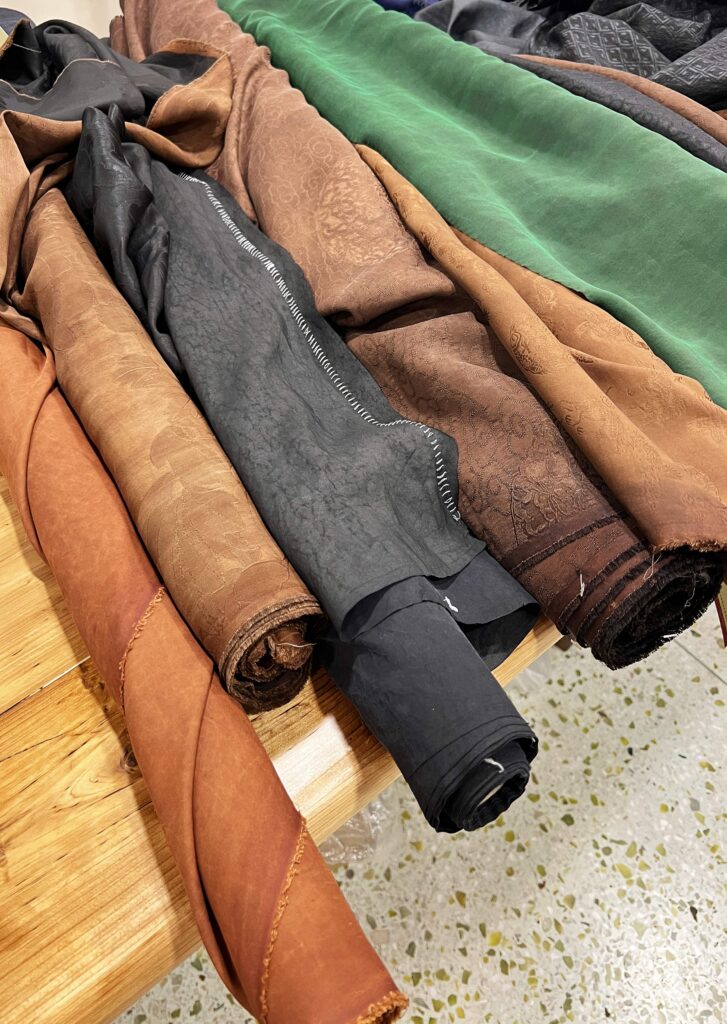
Among the rarest of all Chinese textiles is Xiangyunsha, a silk dyed using only natural plant extracts and mineral-rich river mud.

This technique, developed over centuries, follows an intricate process often described as “three steaming, nine boiling, and eighteen sun-dryings.”
It requires specific regional materials and precise environmental conditions, making it impossible to replicate elsewhere.

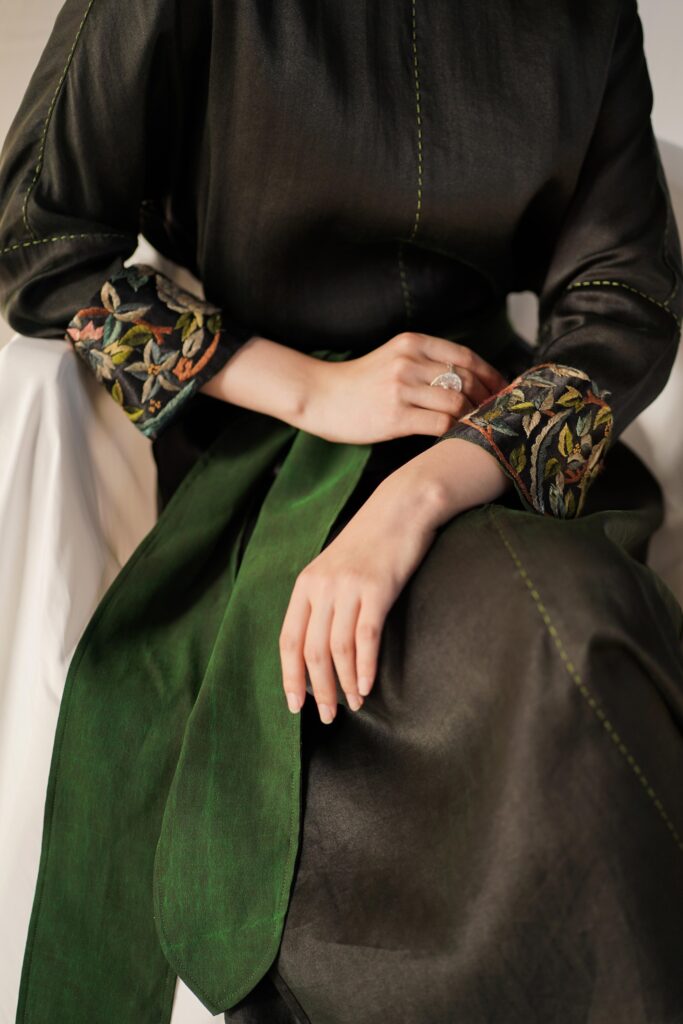
The result is a fabric with a deep, understated sheen and a unique dual-tone effect — dark, luminous, and alive.

Known as the “soft gold” of silk, Xiangyunsha embodies the harmony between nature and human craftsmanship.

Kesi — The Supreme Art of Silk

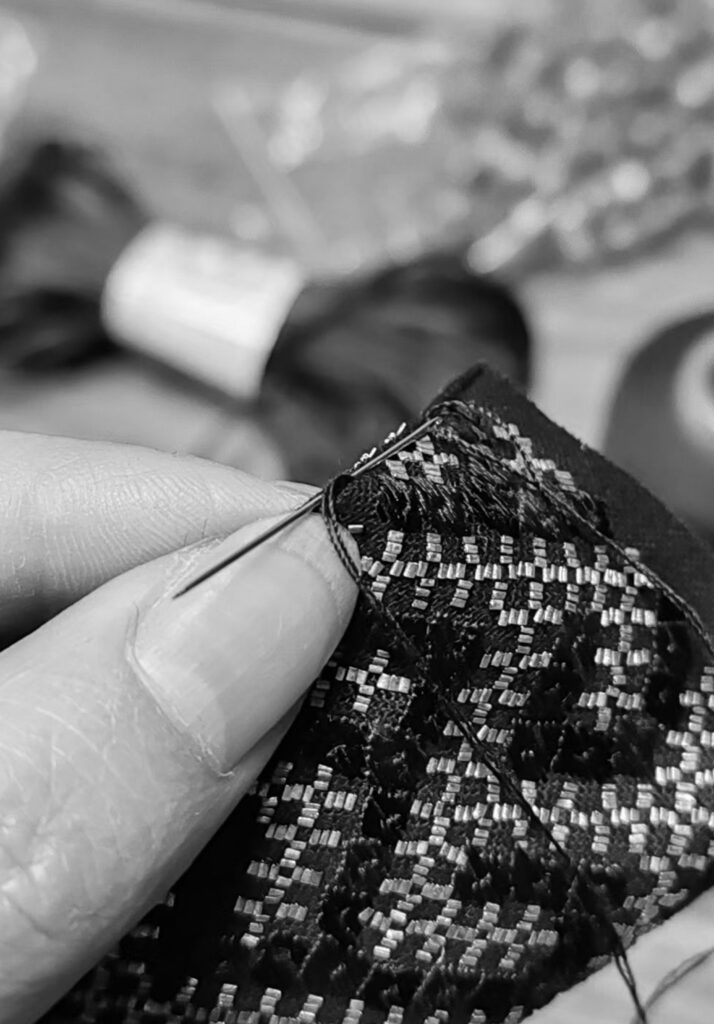
Kesi, known as “carved silk,” is one of China’s most refined textile traditions, with over 2,000 years of history and recognized as National Intangible Cultural Heritage.

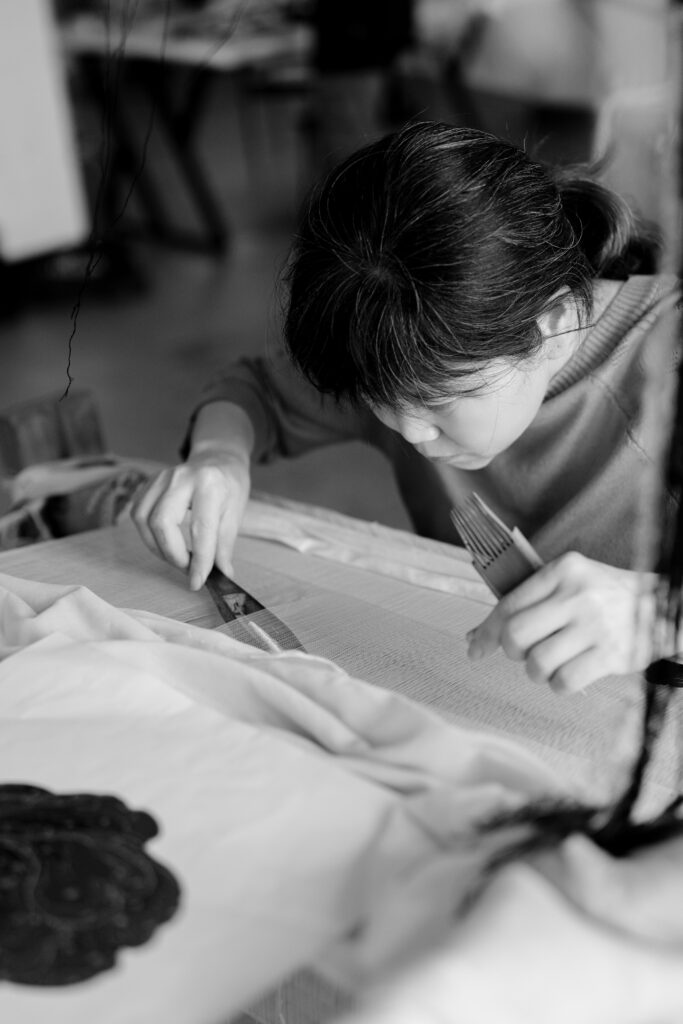
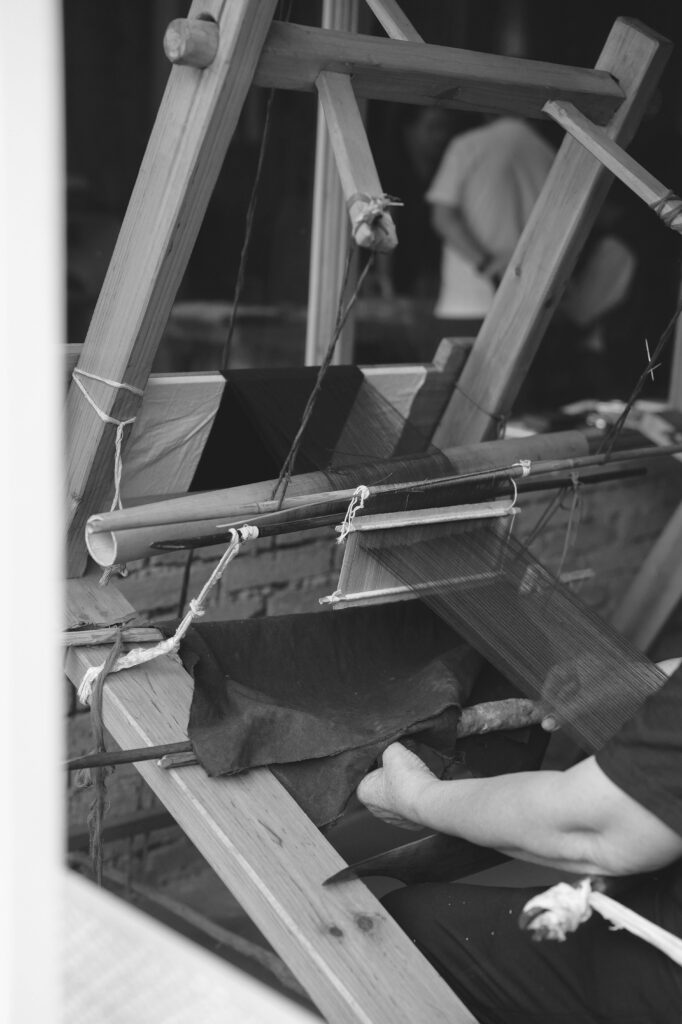
Using the unique technique of continuous warp and discontinuous weft, each piece is woven entirely by hand, thread by thread, creating identical front and back surfaces and an extraordinary richness of color.

An artisan weaves only a few centimeters per day — making every piece a true expression of time, patience, and mastery.

Once described as “an inch of fabric, an inch of gold,” Kesi represents the pinnacle of Eastern textile craftsmanship.

Craftsmanship That Cannot Be Replaced

These techniques share one essential truth: they cannot be industrialized. They depend on time, on human touch, and on deep cultural knowledge. They are shaped by nature, by imperfection, and by the individuality of each artisan. This is why no two pieces are ever the same.
Today, many of these traditions face the risk of disappearing. As modern life accelerates, fewer young generations continue these practices. What once lived in every household is now held by a limited number of artisans. At YUNZHAN, we work closely with these communities — not only to preserve their craft, but to give it a place in the present.